Geometric Color Gradation Patterns: A Versatile Tool for Creative Crafting
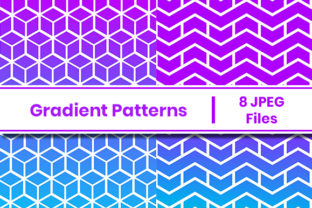
When it comes to adding visual interest and depth to paper-based projects, Geometric Color Gradation Patterns offer a unique blend of elegance and simplicity. These patterns use geometric shapes—like triangles, circles, and hexagons—to create smooth color transitions that can elevate everything from scrapbook layouts to party invitations. Whether you're a seasoned crafter or just starting out, understanding how to use these patterns effectively can open up new creative possibilities.
Where Can Geometric Color Gradation Patterns Be Used?
These patterns are incredibly versatile and can be applied in a variety of creative contexts. One of the most popular uses is in scrapbooking, where they help add a modern touch to photo pages. By layering them behind photos or text, you can create a subtle background that doesn’t overpower the main content.
In planner embellishing, these patterns can serve as decorative accents on weekly or monthly spreads. They’re especially useful for creating visual separation between different sections, making your planner more organized and visually appealing.
For party invitations, Geometric Color Gradation Patterns can bring a professional yet artistic flair. They work well as borders, headers, or even as part of the main design elements. When used thoughtfully, they can make your invites stand out without being too busy.
They’re also a great choice for cards, whether you're sending a birthday message, a thank-you note, or a sympathy card. The soft gradients add warmth and sophistication, making your cards feel more personal and meaningful.
When it comes to gift wrapping, these patterns can transform plain paper into something special. Using them as a background for gift tags or as part of a custom label can give your gifts a unique and memorable presentation.
Additionally, they’re perfect for paper crafts such as origami, cardmaking, and DIY home decor. Their clean lines and smooth transitions make them ideal for both beginners and experienced crafters looking to expand their design vocabulary.
Why Choose Geometric Color Gradation Patterns?
One of the key advantages of using these patterns is their adaptability. Unlike traditional solid-colored designs, they allow for a sense of movement and dimension, which can make your projects feel more dynamic and engaging. This is especially important when working with limited space, such as in planner pages or small greeting cards.
Another benefit is their ability to complement a wide range of color schemes. Whether you're going for a pastel palette or bold, high-contrast colors, these patterns can be adjusted to fit your aesthetic. This makes them a valuable tool for anyone who wants to maintain consistency across multiple projects.
From a practical standpoint, they also offer a level of customization that’s hard to match. Many digital tools allow you to tweak the gradient direction, shape, and color stops, giving you full control over the final look. This flexibility means you can experiment with different combinations until you find the one that best suits your needs.
Real-World Applications and Observations
For adults aged 20–50 who enjoy crafting, these patterns are more than just decorative—they can also serve functional purposes. For example, a designer might use them to create a cohesive look across a series of social media posts or marketing materials. A teacher could incorporate them into classroom activities to teach students about color theory and design principles.
In the event planning industry, these patterns can help create a unified visual identity for weddings, corporate events, or themed parties. They can be printed on signage, programs, or table numbers to reinforce the event’s theme while maintaining a professional appearance.
For home decor enthusiasts, applying these patterns to wall art, fabric, or stationery can add a touch of modernity to any room. They’re especially popular in minimalist or Scandinavian-style interiors, where clean lines and subtle color transitions are favored.
Even in digital design, these patterns can be used as backgrounds for websites, presentations, or social media graphics. Their geometric nature ensures they remain visually interesting without overwhelming the viewer.
Considerations Before Using Geometric Color Gradation Patterns
While these patterns offer many benefits, there are a few things to keep in mind before incorporating them into your projects. First, it’s important to consider the quality of the file. Since the ZIP file includes two high-quality 300 dpi JPEG files, you can be confident that the resolution will be suitable for printing. However, if you’re planning to use them digitally, ensure that the file format is compatible with your software.
Next, think about the context in which you’ll be using the pattern. For instance, if you're creating a planner page, a subtle gradient may be more appropriate than a bold, eye-catching design. Similarly, if you're designing a wedding invitation, you’ll want to choose a pattern that complements the overall tone and style of the event.
Finally, always consider the intended audience. If your project is meant for children, you might opt for simpler shapes and softer colors. On the other hand, if you're targeting a more mature audience, you can explore bolder designs and more complex geometric arrangements.
Strengths and Limitations
The strengths of Geometric Color Gradation Patterns lie in their versatility, adaptability, and visual appeal. They provide a fresh alternative to traditional flat designs and can enhance the overall aesthetics of your projects without requiring advanced technical skills.
However, there are some limitations to keep in mind. For example, these patterns may not be suitable for all types of projects, particularly those that require a lot of detail or intricate textures. Additionally, they can sometimes appear too uniform, which might not be ideal for certain creative applications that call for more variation and contrast.
Despite these limitations, the benefits of using Geometric Color Gradation Patterns far outweigh the drawbacks. With the right approach and a bit of experimentation, you can unlock a world of creative possibilities and bring a new level of sophistication to your paper-based projects.