Fast Food Digital Patterns: A Strategic Tool for Creative and Business Projects
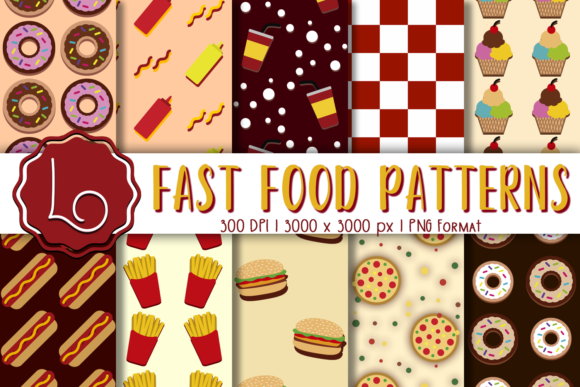
Fast Food Digital Patterns is a versatile set of high-quality, ready-to-use design elements that can significantly enhance the visual appeal and functionality of various creative and business projects. With its 3000 x 3000 px resolution at 300 DPI in PNG format, this resource ensures clarity and scalability across multiple applications. Whether you're designing packaging, crafting digital art, or creating marketing materials, Fast Food Digital Patterns offers a practical solution that aligns with both aesthetic and strategic goals.
Understanding the Value of Fast Food Digital Patterns
At its core, Fast Food Digital Patterns is more than just a collection of images—it's a toolkit for designers, entrepreneurs, and creators looking to streamline their workflow while maintaining high standards of quality. The patterns are designed to be adaptable, allowing users to integrate them into diverse contexts without compromising on visual integrity. This flexibility makes it an ideal asset for those who need consistent branding across different mediums or platforms.
For instance, a small business owner launching a new line of food packaging can use these patterns to create eye-catching designs that resonate with their target audience. Similarly, educators or publishers may find value in using these elements to develop visually engaging learning materials or book covers. The key advantage lies in the ability to leverage pre-designed assets rather than starting from scratch, which saves time and resources while ensuring professional results.
Strategic Use Cases for Fast Food Digital Patterns
The effectiveness of Fast Food Digital Patterns depends largely on how they are applied within a broader strategic framework. Here are several scenarios where these patterns can be strategically useful:
- Branding Consistency: When developing a brand identity, consistency is crucial. Fast Food Digital Patterns can help maintain uniformity across all touchpoints, from website backgrounds to social media graphics.
- Marketing Materials: From invitations to promotional banners, these patterns can elevate the visual appeal of marketing collateral, making it more engaging and memorable.
- Product Packaging: In the food industry, packaging plays a vital role in consumer perception. Using these patterns can make your product stand out on store shelves while reinforcing brand recognition.
- Digital Art and Crafts: Artists and hobbyists can incorporate these patterns into their work to add texture, depth, and interest, enhancing the overall creativity of their projects.
- Learning and Educational Content: Educators can use these patterns to create interactive and visually stimulating learning materials that capture students' attention and improve engagement.
Each of these use cases highlights the strategic value of Fast Food Digital Patterns when aligned with specific objectives. By choosing the right patterns and integrating them thoughtfully, users can achieve both aesthetic and functional outcomes that support their long-term goals.
Planning and Execution: Key Considerations
Before incorporating Fast Food Digital Patterns into your project, it's essential to consider several factors that will influence the success of your implementation:
- Define Your Goals: Start by identifying what you want to achieve with these patterns. Are you aiming to enhance brand visibility, improve user experience, or simply save time? Clear objectives will guide your selection and application process.
- Understand Your Audience: Knowing who your target audience is will help you choose patterns that resonate with their preferences and expectations. For example, a younger demographic might respond better to bold, vibrant designs, while a more mature audience may appreciate subtler, elegant visuals.
- Consider Context and Purpose: Not all patterns are suitable for every context. Evaluate the environment in which the patterns will be used—whether it's for print, digital, or physical products—and select accordingly.
- Test and Refine: Always test your designs with real-world applications. Gather feedback and refine your approach based on what works best for your specific needs.
- Ensure Quality and Compatibility: Since all files are in PNG format, they retain their high quality regardless of scaling. However, ensure that the resolution and format are compatible with your intended use case.
By following these planning steps, you can maximize the impact of Fast Food Digital Patterns while minimizing potential risks such as misalignment with brand identity or audience expectations.
Risks of Misuse: Why Intentional Application Matters
While Fast Food Digital Patterns offer numerous benefits, their misuse can lead to suboptimal outcomes. One common risk is applying these patterns without a clear purpose or strategy. Randomly selecting and integrating patterns can result in cluttered designs that fail to communicate a cohesive message.
Another risk is over-reliance on pre-designed elements without considering originality. While using existing patterns can save time, it's important to balance them with custom elements that reflect your unique brand voice and values. Overusing generic templates can make your content feel impersonal and unoriginal, potentially harming your credibility and engagement levels.
Additionally, neglecting to evaluate the context in which the patterns are used can lead to inconsistencies in branding or messaging. For example, using a pattern that is too busy for a minimalist website could overwhelm users and detract from the overall user experience.
To avoid these pitfalls, it's crucial to approach Fast Food Digital Patterns with intentionality. Treat them as tools to enhance, not replace, your creative vision. Use them to support your goals, but never let them dictate the direction of your project.
Practical Tips for Maximizing Fast Food Digital Patterns
Here are some actionable tips to help you get the most out of Fast Food Digital Patterns:
- Start Small: Begin with a few patterns and gradually expand your usage as you become more comfortable with the toolset. This allows you to experiment and refine your approach without overwhelming yourself.
- Layer Strategically: Combine patterns with other design elements to create depth and dimension. Experiment with layering to find the right balance between visual interest and clarity.
- Use for Specific Purposes: Assign specific patterns to particular tasks or projects. For example, use one pattern for background designs and another for text overlays to maintain consistency and purpose.
- Keep It Simple: Avoid overcomplicating your designs. Sometimes, a single well-chosen pattern can have a greater impact than a complex arrangement of multiple elements.
- Document Your Process: Keep track of which patterns you've used and how they've contributed to your project. This documentation can help you replicate successful strategies in future endeavors.
By implementing these tips, you can ensure that Fast Food Digital Patterns serve as a valuable asset rather than a distraction in your creative or business workflow.
Conclusion: Strategic Integration for Long-Term Success
Fast Food Digital Patterns is a powerful resource that, when used thoughtfully, can significantly enhance the quality and efficiency of your creative and business projects. Its versatility, high resolution, and adaptability make it a valuable addition to any designer's toolkit. However, its true potential lies in how it is integrated into a broader strategic framework.
By setting clear goals, understanding your audience, and applying these patterns intentionally, you can unlock their full value while avoiding common pitfalls. Whether you're an entrepreneur, marketer, educator, or hobbyist, leveraging Fast Food Digital Patterns with purpose can help you achieve better results, improve communication, and drive long-term success.