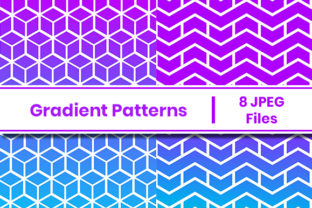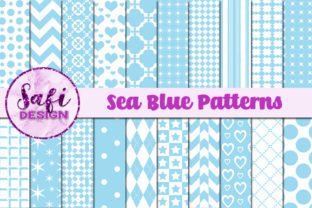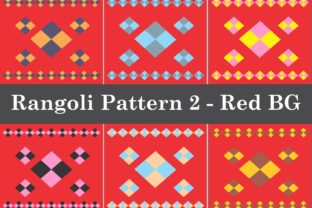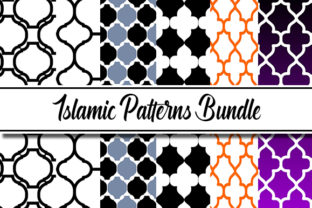
Islamic Patterns Design: A Timeless Art for Creative Crafting
What Is Islamic Patterns Design?
Islamic Patterns Design is a unique and intricate form of decorative art that has been practiced for centuries in the Islamic world. Rooted in the rich cultural and spiritual heritage of the Islamic civilization, these patterns are characterized by their geometric shapes, floral motifs, and calligraphic elements. Unlike many other design styles that incorporate figurative imagery, Islamic art traditionally avoids depicting human or animal forms due to religious beliefs. Instead, it focuses on abstract and symbolic representations that convey beauty, harmony, and complexity.
These designs are not only visually stunning but also deeply symbolic. They often represent the infinite nature of God, the order of the universe, and the pursuit of knowledge. The repetition of shapes and the use of symmetry create a sense of balance and unity, making Islamic Patterns Design a powerful tool for creative expression.
Why Choose Islamic Patterns Design for Crafting?
For adults aged 20–50 who enjoy crafting, Islamic Patterns Design offers a versatile and meaningful option for various projects. Whether you're working on scrapbooking, planner embellishing, party invitations, cards, gift wrapping, or paper crafts, these patterns can elevate your work with a touch of elegance and cultural depth.
One of the key advantages of Islamic Patterns Design is its adaptability. These patterns can be scaled, modified, and combined to suit different materials and project types. For example, a simple geometric motif can be transformed into a complex border for a planner page, or a floral pattern can be used as a background for a card design. This flexibility makes it an excellent choice for both beginners and experienced crafters alike.
Additionally, Islamic Patterns Design adds a layer of sophistication and uniqueness to any craft project. In a market flooded with generic designs, using Islamic Patterns can help your creations stand out while also offering a meaningful connection to a rich cultural tradition.
Comparing Islamic Patterns Design with Other Craft Design Styles
When considering design options for crafting, it's important to understand how Islamic Patterns Design compares with other popular styles such as Western floral patterns, modern minimalist designs, and traditional folk art.
Western floral patterns, for instance, often feature realistic depictions of flowers and leaves, which can be more challenging to replicate in certain materials or contexts. In contrast, Islamic Patterns rely on abstract forms and geometric precision, making them easier to reproduce in digital formats or print media. This makes them particularly well-suited for use in planners, stationery, and digital templates.
Minimalist designs, on the other hand, focus on simplicity and clean lines. While they can be elegant, they may lack the visual richness and historical depth that Islamic Patterns offer. For those seeking a more intricate and layered aesthetic, Islamic Patterns provide a compelling alternative.
Folk art styles vary widely across cultures and often incorporate regional symbols and motifs. While these can be beautiful and culturally significant, they may not always align with the universal themes and symbolic meanings found in Islamic Patterns. This makes Islamic Patterns a more versatile choice for a global audience.
Strengths and Limitations of Islamic Patterns Design
Like any design style, Islamic Patterns Design has its strengths and limitations. One of its greatest strengths is its ability to convey meaning through form and structure. The use of symmetry and repetition creates a sense of order and balance, which is especially appealing in decorative arts.
Another advantage is the availability of high-quality resources. Many designers and artists have created extensive libraries of Islamic Patterns that can be easily accessed and downloaded. For example, a ZIP file containing six high-quality 300 dpi JPEG files can provide a solid foundation for various crafting projects. These files are ideal for printing and digital use, ensuring consistent quality across different mediums.
However, there are some limitations to consider. Islamic Patterns can be time-consuming to apply manually, especially for intricate designs. This may make them less suitable for quick projects or those requiring frequent changes. Additionally, while these patterns are rich in symbolism, they may not always resonate with individuals unfamiliar with the cultural context behind them.
Best-Fit Situations for Using Islamic Patterns Design
Islamic Patterns Design is particularly well-suited for projects that benefit from a sense of history, culture, and visual complexity. It works exceptionally well in the following scenarios:
- Scrapbooking and Planner Embellishing: The intricate details and symmetrical layouts of Islamic Patterns make them perfect for adding texture and interest to pages.
- Party Invitations and Cards: These patterns can add a touch of elegance and uniqueness to formal or themed events.
- Gift Wrapping and Decorative Packaging: Using Islamic Patterns on gift tags or wrapping paper can enhance the presentation of gifts with a cultural flair.
- Paper Crafts and DIY Projects: Whether it's origami, card making, or collage work, Islamic Patterns offer endless creative possibilities.
For those looking to create something meaningful and visually striking, Islamic Patterns Design is an excellent choice. However, it's important to consider the time investment and the need for a deeper understanding of the cultural significance behind the patterns.
Alternatives and Considerations
If Islamic Patterns Design doesn't align with your personal taste or project requirements, there are several alternatives worth exploring. For example, modern minimalist designs offer a clean and contemporary look, while vintage or retro patterns can evoke a nostalgic feel. Each style has its own set of benefits and trade-offs, so it's essential to evaluate your needs and preferences before making a decision.
Ultimately, the right design choice depends on the purpose of your project, the medium you're working with, and the message you want to convey. Islamic Patterns Design provides a unique and meaningful option for those who appreciate intricate artistry and cultural symbolism.